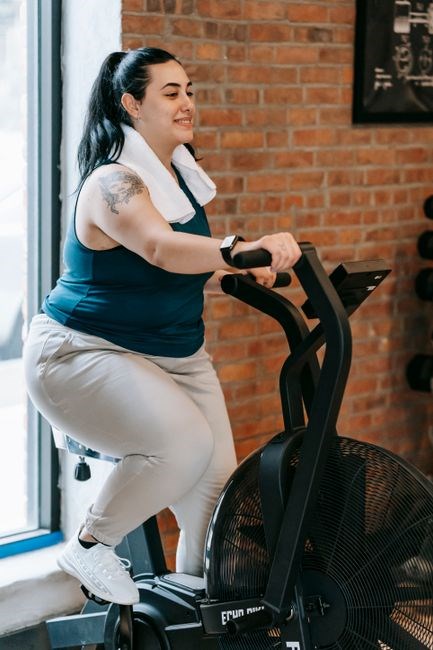
The Schwinn 130 Upright Bike Manual offers a concise guide for beginners and seasoned riders alike. It covers essential setup steps, safety precautions, and basic operation tips, ensuring a smooth and efficient workout experience right from the first ride. It offers quick start tips and troubleshooting pointers!
About the Schwinn 130 Upright Bike
The Schwinn 130 Upright Bike offers a budget‑friendly option for home fitness now. Its steel frame and ergonomic seat provide a stable, comfortable ride while adjustable handlebars fit various body types. A 10‑level magnetic resistance system delivers smooth, quiet transitions for low‑impact cardio or interval training. The display tracks time, distance, speed, calories, and heart rate, helping users monitor progress. A 20‑inch flywheel gives a realistic bike‑like feel and a fan keeps riders cool during intense sessions. With a 250 lb weight limit and a height range of 4.5 to 6.5 ft, it fits most adults. A rack for water bottle or towel adds practicality, and its compact footprint fits small living spaces. The bike balances affordability, durability, and functionality, ideal for beginners and intermediate riders. A 1‑year limited warranty covers defects, and the bike works with third‑party accessories like heart‑rate monitors and Bluetooth trainers. Assembly is straightforward, needing only basic tools and the manual’s step‑by‑step guide. Users can join Schwinn’s online community and training programs for structured workouts and performance tracking. Whether improving cardiovascular health, burning calories, or staying active at home, the Schwinn 130 delivers a dependable platform for fitness goals. Its quiet operation suits apartment living, and adjustable resistance levels allow tailored training plans. The design prioritizes comfort with a padded seat, smooth‑moving pedals, and a low‑profile frame that reduces joint strain. All in all, it offers excellent value for its price point.
Key Features
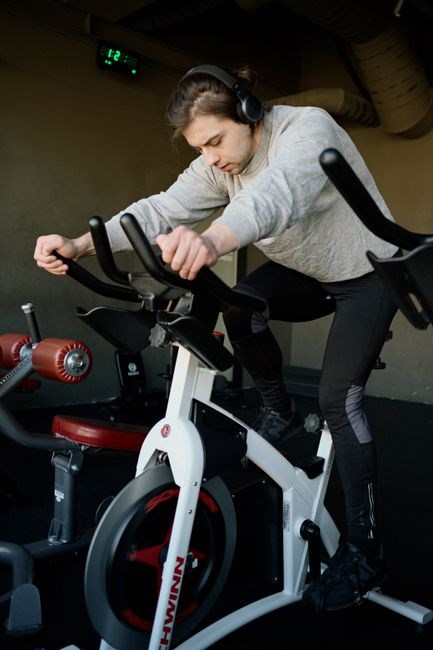
The Schwinn 130 stands out with its integrated connectivity suite, allowing users to pair the bike with a variety of fitness apps via Bluetooth. A 3.5‑mm headphone jack and a built‑in speaker enable immersive audio during workouts, while a USB charging port keeps devices powered on the go. The bike’s low‑profile frame and padded seat provide a comfortable, ergonomic riding experience, and accommodate a wide range of body types. A quiet fan keeps riders cool during high‑intensity sessions. A 1‑year limited warranty covers manufacturing defects, giving peace of mind for long‑term use. The compact design includes a convenient water‑bottle rack
The bike’s connectivity suite is designed for modern users. A Bluetooth 5.0 module pairs effortlessly with smartphones, tablets, and smartwatches, allowing real‑time data sync to popular fitness platforms such as Strava, Garmin Connect, and MyFitnessPal. The built‑in speaker delivers clear audio, while the 3.5‑mm headphone jack supports wireless headphones for a personalized workout soundtrack. A USB‑C charging port keeps your devices powered during long sessions. Additionally, the bike supports Bluetooth heart‑rate monitors, enabling precise calorie and effort tracking. The display’s Wi‑Fi connectivity can update firmware, ensuring the bike stays current with the latest software improvements. All these features work together to create an integrated training ecosystem that adapts to your routine.
This seamless integration lets you focus on performance without juggling devices. Today!!
Safety Guidelines
Before each session, inspect the bike for loose bolts, ensure the seat and handlebars are correctly adjusted, and verify the digital display functions. Maintain proper posture, keep feet flat on pedals, and avoid exertion. Follow manufacturer warnings and use the bike on a stable surface.
Pre-Use Safety Checks
Before each workout, perform a quick safety inspection to ensure the Schwinn 130 Upright Bike operates safely and efficiently. Start by verifying that the frame is free of cracks or dents, as these can compromise structural integrity. Check all bolts, screws, and fasteners for tightness; use a torque wrench if available to confirm they meet the manufacturer’s specifications. Inspect the seat post and handlebar clamps, ensuring they are securely fastened and not loose. Examine the pedal attachments and cleats for wear or damage; replace any components that show signs of deterioration to prevent accidental slippage.
Next, confirm that the resistance mechanism is functioning correctly. Turn the resistance dial through all settings, listening for smooth transitions and ensuring no unusual noises occur. Verify that the digital display accurately reflects resistance levels and that the power button responds promptly. Inspect the battery compartment (if applicable) for corrosion or loose connections, and replace the battery if it shows signs of depletion. Ensure the seat and handlebars are adjusted to your height and comfort, as improper fit can lead to strain or injury.
Finally, test the bike’s stability by placing it on a flat, level surface and applying gentle pressure to the frame. The bike should remain firmly planted without wobbling. If any instability is detected, double‑check all mounting points and adjust as needed. By following these pre‑use safety checks, you’ll reduce the risk of accidents and enjoy a smooth, workout session every time.
Proper Posture and Fit
Achieving the correct posture on the Schwinn 130 Upright Bike is essential for maximizing comfort, preventing injury, and ensuring an efficient workout. Begin by positioning the bike on a flat surface, then adjust the seat height so that when your foot rests on the pedal at the lowest position, your knee is bent. This allows for a range of motion while keeping joint stress minimal.!!
Next, set the seat back angle to a neutral position—neither too reclined nor too upright. A slight forward tilt of the seat can help maintain a stable core, but avoid excessive tilt that forces the hips forward. Align the handlebars so that they are at or slightly below shoulder height. This reduces strain on the neck and shoulders, especially during longer sessions. for optimal comfort. and ease!!!
When seated, keep your shoulders relaxed and elbows close to the body. Forearms should be parallel to the floor, wrists in a neutral position, avoiding excessive bending. Back should maintain natural lumbar curve; avoid slouching or arching excessively. A small cushion can be added to the seat if needed, but avoid padding that shifts the seat during use. Keep seat level. firm!?.
Finally, test the fit by performing a short warm‑up cycle. Observe any discomfort or strain, and readjust the seat height, angle, or handlebar position accordingly. Consistently checking and refining your posture will help you maintain proper form, reduce fatigue, and protect your joints over time. This routine keeps you comfortable safe, and enabling longer, effective sessions.!!!
Assembly Instructions
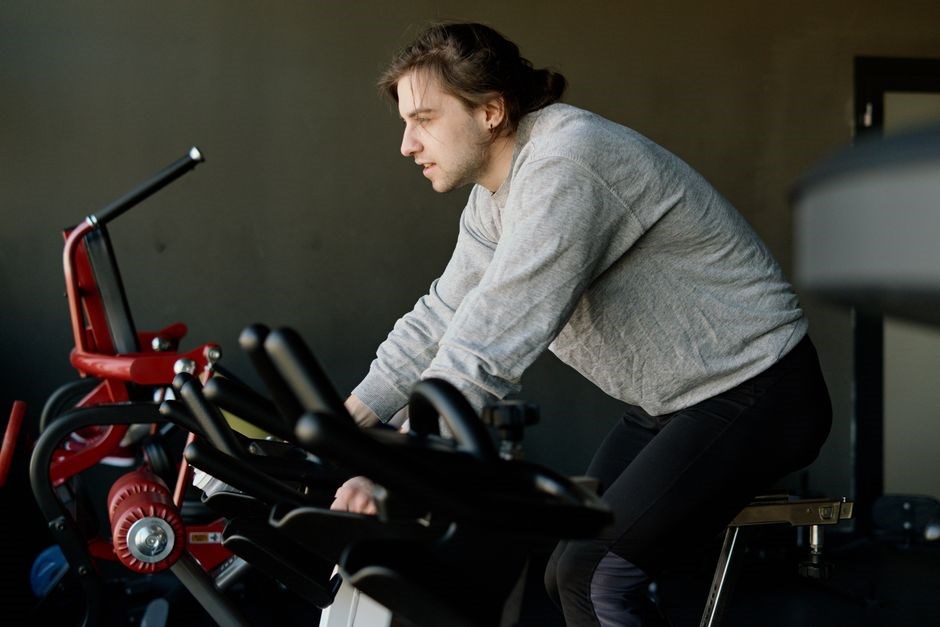
Begin by laying out all parts and tools. Secure the frame, attach the seat post, then install the handlebars. Tighten the bolts in a cross‑pattern to ensure even pressure. Connect the pedal straps, adjust the resistance knob, and test the bike for stability before use. Keep fit.!
Step‑by‑Step Assembly
Follow these concise steps to assemble your Schwinn 130 Upright Bike. Each instruction is crafted to help you set up the bike safely and efficiently, ensuring a smooth start to your workouts.
- Prepare the area: Clear a flat surface and lay a protective mat.
- Unpack and verify: Remove the frame, seat, handlebars, pedals, and all fasteners. Check each part against the parts list.
- Attach the seat post: Slide the post into the seat tube, align, and tighten the clamp bolt until snug. Adjust height for a slight knee bend at the pedal.
- Install handlebars: Place the stem on the handlebars, secure the clamp bolt, and ensure the bars are level with the seat.
- Attach pedals: Insert the right‑hand pedal, tighten clockwise; insert the left pedal, tighten counter‑clockwise. Confirm both pedals secure.
- Set resistance: Turn the resistance knob to the lowest setting to test smoothness. Lubricate gear teeth if the knob feels stiff.
- Check frame stability: Rock the bike gently; the frame should not wobble. Tighten loose bolts.
- Test electronics: Plug the power cord into a grounded outlet, turn on the display, and adjust resistance to confirm operation.
- Final safety check: Verify all bolts are tight, seat, handlebars, and pedals secure, and the bike ready for use.
Store spare parts and the manual in a safe place. Once assembled, your bike is ready for a productive workout.
This manual covers every step from unboxing to maintenance, ensuring you get the most out of your workout now!
Operating the Bike
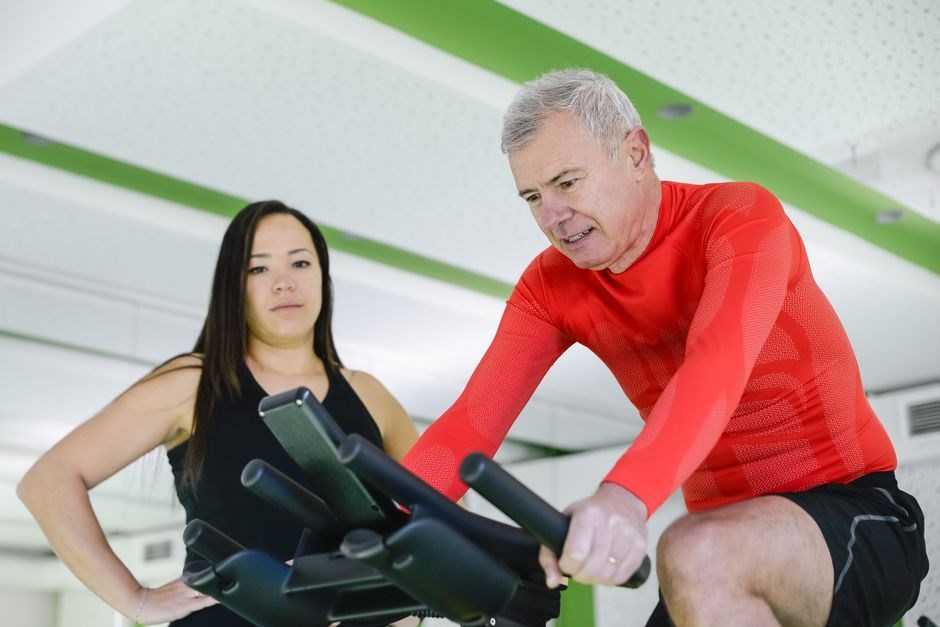
Begin by selecting a comfortable resistance level. Use the digital display to monitor heart rate, calories, and time. Adjust seat and handlebars for proper posture. Keep a steady cadence. Keep a steady cadence. Use the built‑in timer to structure intervals. Finish with a cool‑down …
Using the Digital Display
The digital display on the Schwinn 130 provides real‑time feedback on your workout, allowing you to track progress and adjust intensity on the fly. To begin, press the Start/Stop button; the screen will show a blank slate awaiting your input. Use the Mode button to cycle through available workout options: Manual, Auto, Interval, and Heart Rate. Each mode offers different data sets and pacing cues.
In Manual mode, the display will show Speed, Distance, Time, Calories, and Heart Rate (if a monitor is connected). Adjust resistance by turning the Resistance Dial or pressing the +/- buttons; the display will instantly update the Resistance Level readout. For Auto mode, the bike will automatically change resistance to match the selected workout profile; the display will highlight the current target resistance and alert you when it changes.
When using Interval mode, the screen will count down the active and rest periods, displaying the remaining time for each. The Timer and Set buttons allow you to customize interval lengths. The Heart Rate mode syncs with a compatible heart‑rate monitor; the display will show real‑time heart‑rate data and compare it to your target zones. The Zone indicator you enter a new zone, helping you maintain the effort level.
Maintenance & Care
Regular cleaning, lubrication, and part checks keep the Schwinn 130 running smoothly. Wipe the frame, seat, and handlebars with a damp cloth after each session. Apply a light oil to the pedal bearings. Inspect cables and replace damaged components promptly. Keep seat cushion clean; and
Routine Cleaning
After each workout, wipe the bike’s frame, handlebars, and seat with a soft, damp cloth. Avoid harsh detergents that could damage finishes. For stubborn sweat or grime, use a mild soap solution and a microfiber cloth. Dry all surfaces thoroughly to prevent rust. Pay special attention to the pedal area and the chain, using a small brush to remove debris. If the bike has a digital display, clean the screen with a non‑abrasive wipe and a gentle cleaner. Keep the seat cushion clean by removing it if possible and washing with mild soap, then air‑dry. Store the bike in a dry, well‑ventilated area to avoid moisture buildup. Regular cleaning not only preserves the bike’s appearance but also extends its lifespan by preventing corrosion and ensuring smooth operation. Follow the manufacturer’s recommendations for cleaning agents, and avoid abrasive materials that could scratch the frame or damage the display. By incorporating these simple steps into your routine, you’ll maintain a hygienic, efficient, and reliable workout machine for years to come. Additionally, inspect the pedal bearings and chain for wear after each session. If the chain shows rust or stiffness, clean it with a dedicated chain cleaner and lubricate with a suitable bike oil. Replace worn‑out brake pads promptly to maintain braking efficiency. Store the bike in a climate‑controlled space to avoid extreme temperature fluctuations that could warp the frame or degrade the digital display. Regularly check the seat’s foam integrity; replace the cushion if it becomes compressed or develops odor. Inspect the seat cushion for cracks before use.
Lubrication and Parts Replacement
Proper lubrication and timely replacement of worn parts are essential to keep the Schwinn 130 Upright Bike operating smoothly and safely. Start by inspecting the chain, pedals, and crank arm for signs of wear or corrosion. A dedicated bike chain cleaner will remove built‑up grime; after rinsing, apply a thin film of bike oil to each link, then wipe away excess with a clean rag. For the pedal bearings, apply a few drops of grease to the axle, rotate the pedals to distribute the lubricant evenly, and check for smooth rotation. The seat post should move freely; if it feels stiff, clean the threads with a small brush, apply a light coat of lubricant, and re‑insert. Brake pads must be inspected after every 200–300 miles of use; if the friction material is worn to less than 1 mm, replace them immediately to maintain stopping power. The rear hub bearings also benefit from periodic greasing: remove the hub, clean the bearings, and apply fresh grease before reassembly. Keep the display’s power connector clean and free of dust; use a dry brush if necessary. Replace any worn or damaged parts promptly: cracked seat cushions, frayed cables, or broken handlebars. Store spare parts in a dry, organized location to facilitate quick repairs. Regular lubrication and timely replacement of worn components will keep the Schwinn 130 running efficiently and safely for years, extending its lifespan and ensuring a reliable workout experience. Additionally, inspect the crank arm for any looseness; tighten the bolts if necessary. Monitor the brake cables for fraying; replace them cable shows damage. Stay clean!!
Leave a Reply