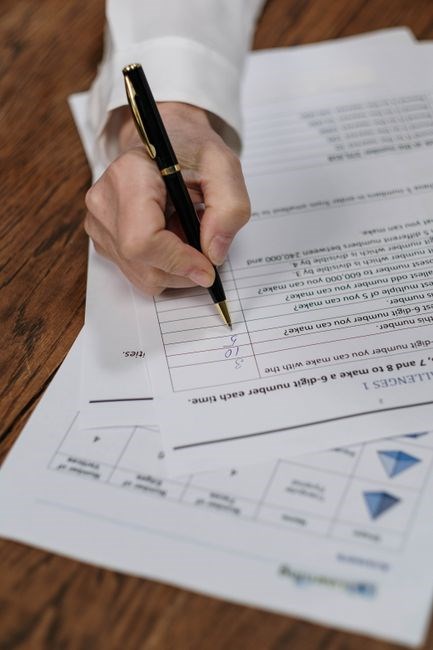
Beginning sounds worksheets in PDF format provide a versatile, printable resource for teachers and parents to reinforce phonics skills. These activities target initial phoneme recognition, helping students connect sounds to letters while engaging in interactive, low‑cost practice. Print and share. Feedback!

Why Beginning Sounds Matter
Beginning sounds are the building blocks of reading. Mastering initial phonemes boosts decoding, spelling, and comprehension. PDFs offer flexible, repeatable practice, letting learners hear, see, and write sounds in context. Consistent exposure strengthens neural pathways for literacy. Start now. Let’s go.
Early Literacy Development
Beginning sounds worksheets in PDF format serve as a cornerstone for early literacy. By isolating the first phoneme in words, students learn to map sounds to graphemes, a skill that underpins decoding and spelling. The visual and auditory cues in printable sheets reinforce memory traces, allowing children to internalize sound–letter correspondences. Consistent practice with PDFs offers flexibility: educators can adapt difficulty levels, duplicate worksheets for group work, or use them as individualized interventions. Moreover, the low cost and ease of distribution make PDFs ideal for home‑schooling families and resource‑constrained classrooms. When students repeatedly identify initial sounds, they build phonemic awareness, which research links to later reading fluency. The structured repetition in worksheets also supports working memory, as learners hold and manipulate sounds in short‑term memory before articulating them. This cognitive rehearsal strengthens neural pathways in the left temporal lobe, critical for phonological processing. In addition, the tactile act of writing or circling sounds on paper engages kinesthetic learning, further solidifying the connection between auditory input and motor output. Teachers can track progress by marking completed sheets, providing immediate feedback and adjusting instruction. Ultimately, early literacy gains from beginning sounds PDFs lay a foundation durable for phonics, acquisition, comprehension skills setting students on a trajectory toward confident, independent reading.

Phonemic Awareness

Beginning sounds worksheets in PDF format are a targeted tool for cultivating phonemic awareness, the ability to isolate, manipulate, and identify individual sounds in spoken words. When students repeatedly listen to and mark the initial phoneme in a list of words, they strengthen the mental representation of sound units, which is essential for decoding new words. The visual cue of a highlighted letter or a bolded initial sound paired with an audio prompt allows learners to connect auditory perception with orthographic symbols, reinforcing the dual‑coding theory that suggests learning is most effective when information is presented both visually and aurally. By integrating these worksheets into daily practice, teachers can create a scaffolded learning environment where phoneme discrimination becomes automatic, freeing cognitive resources for higher‑order comprehension tasks. Additionally, the printable nature of PDFs enables individualized pacing; students who grasp the concept quickly can move on to more complex phoneme blends, while others may benefit from repeated exposure to simple onset sounds. The structured repetition inherent in worksheets also supports the development of working memory, as students hold the sound in mind while matching it to the corresponding letter. This process engages the left inferior frontal gyrus, a region implicated in phonological processing, thereby strengthening neural pathways that support fluent reading. Finally, the ability to assess progress through completed worksheets provides educators with immediate data to inform instruction, ensuring that phonemic awareness instruction is both evidence‑based and responsive to each learner’s needs. Furthermore, research indicates that early phonemic awareness predicts later reading achievement, making these PDFs a cost‑effective intervention for at‑risk students. By embedding phoneme‑identification tasks within engaging activities—such as matching games, fill‑in‑the‑blank prompts, and sound‑sorting challenges—students develop a robust phonological inventory that serves as a foundation for spelling, vocabulary, and comprehension. The flexibility of PDF worksheets also allows educators to incorporate culturally relevant words, ensuring that instruction remains inclusive and meaningful. Teachers can also share these PDFs with parents, encouraging home practice that reinforces classroom learning and fosters a collaborative literacy culture. Because PDFs can be annotated, students can write phoneme labels directly on the sheet, turning passive reading into an active, multimodal experience that boosts retention. This synergy of print and interaction exemplifies modern phonics pedagogy. Regular use of these resources can transform early reading trajectories, ensuring every child starts on a path toward academic success.

Types of Beginning Sounds Worksheets
PDF beginning sounds worksheets come in varied formats: simple word lists, matching cards, fill‑in‑the‑blank grids, and interactive drag‑and‑drop activities. Each type targets a specific skill, from phoneme isolation to sound sorting, offering flexible, printable practice for all learners for home use. !
Phoneme Isolation


Phoneme isolation worksheets in PDF format help students identify the first sound of a word. They present a list of simple words, and learners listen, then write or circle the initial phoneme. This practice sharpens auditory discrimination and builds a foundation for decoding. PDFs can be customized with images, color coding, or audio links, making the activity engaging and adaptable to different learning styles. Teachers use these sheets to assess phonemic awareness, track progress, and tailor instruction. The printable nature of PDFs allows easy distribution in classrooms, during homework, or at home. Repeated isolation of the first sound boosts confidence, improves reading fluency, and prepares students for blending and segmenting. Worksheets can be grouped by level, from simple consonants to complex digraphs, supporting gradual progression. Parents can reinforce classroom learning by using these sheets at home, creating a consistent learning environment. The versatility of PDF worksheets ensures they can be adapted for visual, auditory, or kinesthetic learners, making phoneme isolation a cornerstone of early literacy instruction. By integrating these worksheets into daily routines, educators foster a strong phonological base that supports future reading success. Students who master phoneme isolation can transfer this skill to new words, enhancing decoding speed and accuracy, and they become more independent readers. Moreover, the printable PDFs can be shared online, allowing remote learners to practice anytime, anywhere. These tools also build memory quickly.
Matching Activities
Matching activities in PDF format provide a visual and interactive way for students to connect beginning sounds with corresponding letters or pictures. These worksheets typically present a column of words and a second column of letters or images, and learners draw lines or use checkmarks to pair the correct initial phoneme. The printable nature of PDFs allows teachers to customize the difficulty level by selecting words that feature simple consonants, digraphs, or blends, and by adding color cues or icons to support visual learners. By repeating these matching tasks, students strengthen their ability to hear and recognize the first sound in a word, which is essential for decoding new vocabulary. Parents can use the same PDFs at home to reinforce classroom instruction, creating a consistent learning environment. Additionally, matching worksheets can be adapted for group work, allowing students to collaborate and discuss the correct pairings, fostering peer learning. The flexibility of PDF files means they can be printed in various sizes, laminated for durability, or shared digitally for remote learning. When integrated into daily lessons, matching activities help build phonemic awareness, improve reading fluency, and support early literacy development. The clear, step‑by‑step format encourages independent practice while providing teachers with an easy way to assess progress and adjust instruction accordingly.

Sound Sorting Games
Sound sorting games in PDF format transform phonics practice into an engaging, hands‑on activity. Students receive a set of cards, each displaying a word or picture, and a series of labeled bins that represent distinct initial sounds. By dragging or cutting the cards into the correct bins, learners actively apply their knowledge of beginning phonemes, reinforcing auditory discrimination and visual association. The printable PDFs allow teachers to tailor the difficulty: simple consonants for early readers, digraphs for intermediate learners, and blends for advanced students. Adding color coding or icons helps differentiate sounds, while the open‑ended nature of the activity encourages creative thinking. Parents can replicate the game at home, using the same PDFs to create a shared learning experience. Sound sorting games also support collaborative play, as students can work in pairs or small groups to discuss why a particular word belongs in a specific bin. This discussion promotes metacognitive awareness and strengthens phonemic awareness. Teachers can enhance these games by incorporating timers or scoreboards, turning the activity into a competition that motivates students to listen and think quickly! They also provide immediate visual feedback, helping students self‑correct and internalize correct sound‑letter pairings. By integrating these printable resources into daily routines, educators create a dynamic, multisensory learning environment that supports diverse learners and encourages lifelong phonics proficiency.

How to Use PDF Worksheets Effectively
Print the PDF, trim edges, and provide a clear title. Use a marker to highlight correct answers, and discuss each sound afterward. Rotate worksheets weekly to keep practice fresh, and track progress with a simple logThis systematic approach maximizes learning
Printing Tips
Before printing, choose a high‑resolution PDF to preserve clarity. Use a printer that supports duplex printing to save paper, and set the paper size to standard 8.5×11 inches. Adjust the scaling option to 100% so that the worksheet fits exactly on the page without cropping. If the PDF contains images or colored text, enable the ‘Print as Image’ setting to avoid rendering errors; Check the ‘Print Quality’ slider; a higher DPI ensures crisp lines for younger learners. For group activities, consider printing on heavier cardstock or laminated sheets to withstand frequent handling. If you need to print multiple copies, use the ‘Multiple Pages per Sheet’ feature to reduce waste—two worksheets per page works well for small groups. Remember to preview the layout before printing to confirm that headers, footers, and page numbers are not unintentionally added. Finally, after printing, trim the edges with a paper cutter or scissors to remove any excess margin, giving a clean, professional look that helps students focus on the content When working with young learners, include a brief explanation of each worksheet’s objective before printing so the child understands the activity. Additionally, consider printing a legend too that maps symbols to sounds, especially if the worksheet uses icons or color code. For teachers, printing a master copy with all answers hidden behind a removable overlay serves as a quick reference during class. Finally, keep a digital backup of each PDF on a cloud drive so that you can quickly re‑print or share updates with parents or colleagues
Assessment Strategies
Use the PDF worksheets as formative checkpoints by assigning a short pre‑test that asks students to identify the initial sound of a word. After the activity, provide a post‑test with the same structure but different words to gauge progress. Mark each response with a simple color code: green for correct, yellow for partial, red for incorrect. Record scores in a spreadsheet to track trends over weeks. For group assessment, display a collective chart that shows the number of correct responses per sound; this visual feedback encourages peer discussion. Incorporate a self‑assessment sheet where learners circle the sound they think they mastered and write a brief sentence using that sound. This reflection helps them internalize phonemic awareness. Use the PDF’s answer key for quick, accurate grading—print a duplicate key and compare with student sheets. For digital grading, scan completed worksheets and use OCR software to extract phoneme entries, then auto‑score against the key. Offer immediate verbal feedback during the session, highlighting common errors such as confusing /p/ with /b/ or /k/ with /g/. Provide targeted mini‑lessons for sounds that show low accuracy. Finally, schedule a weekly review session where students bring their worksheets and discuss patterns they noticed, reinforcing metacognitive skills and ensuring mastery of beginning sounds.
Teachers can also use these worksheets to differentiate instruction by assigning challenging sounds to learners and ones for beginners, ensuring inclusive practice?!

Resources and Recommendations
Explore free PDF libraries, educational blogs, and phonics sites offering downloadable worksheets. Bookmark sites like PhonicsWorksheets.org Education.com diverse, practice!!
Free PDF Collections
For educators and parents seeking high‑cost resources, several online repositories offer extensive collections of printable beginning‑sound worksheets. These PDFs cover a range of grade levels, from kindergarten to early elementary, and include activities such as sound‑matching cards, initial‑letter sorting, and phoneme‑identification drills. Many sites host searchable databases where you can filter by sound (e.g;, /b/, /k/, /sh/) or by activity type, allowing you to quickly locate the exact practice you need. Some repositories even provide customizable templates, so you can insert your own vocabulary or themed pictures to keep students engaged. When selecting a collection, look for clear, high‑resolution images that print well on standard office paper, and verify that the worksheets include answer keys or teacher notes for quick assessment. A few reputable sources include:
- Education.com’s free PDF library, which offers a dedicated section for phonics and sound‑based activities.
- Teachers Pay Teachers offers a wide selection of free bundles containing printable worksheets and activity sheets that cover a variety of phonics topics for allgrade levels,ensuring qualityforall.
- Scholastic’s free resources page, which hosts a variety of printable phonics worksheets that can be downloaded in PDF format.
These resources are to download and print for teachers. In addition to these sites, local school districts and public libraries frequently host digital resource hubs that provide free PDF downloads for classroom use. By leveraging these collections, you can supplement your lesson plans with targeted practice that reinforces the foundational skills of beginning‑sound recognition, without incurring additional costs.
These resources are designed to be easily integrated into daily lessons, providing both teachers and students with engaging, printable activities that reinforce phonics skillsfor all learners.
Leave a Reply