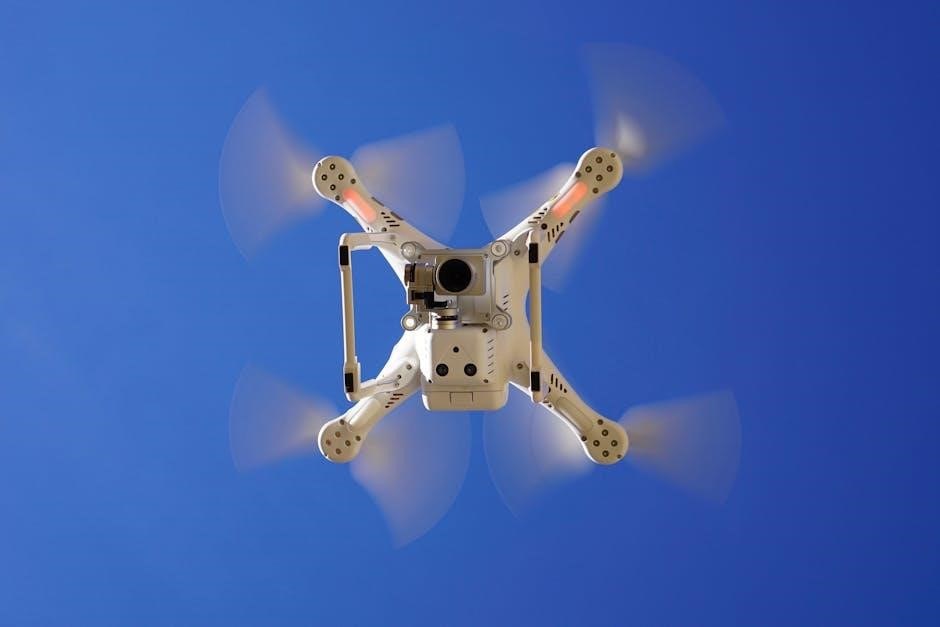
E88 Drone Manual: A Comprehensive Guide
Welcome! This guide details setup, flight, and maintenance of your E88 drone, covering app installation, controls, troubleshooting, and safety regulations for optimal performance․
The E88 drone is rapidly gaining popularity as an accessible and feature-rich quadcopter, perfect for both beginners and enthusiasts․ This manual provides a comprehensive overview of its operation, ensuring a safe and enjoyable flying experience․ It’s designed for easy understanding, covering everything from initial setup to advanced flight techniques․
You’ll discover how to connect the drone to the remote controller and mobile app (RC FPV), understand indicator light meanings, and master basic flight controls․ This guide also addresses common issues like connectivity problems and drifting, alongside essential maintenance tips․ Prepare for an immersive flight with detailed instructions and safety guidelines!
Package Contents & Component Overview
Your E88 drone package includes the drone itself, a remote controller, a USB charging cable, spare propellers, a screwdriver, and the user manual․ The drone features an integrated camera for photo and video capture, while the remote controller provides intuitive flight controls․
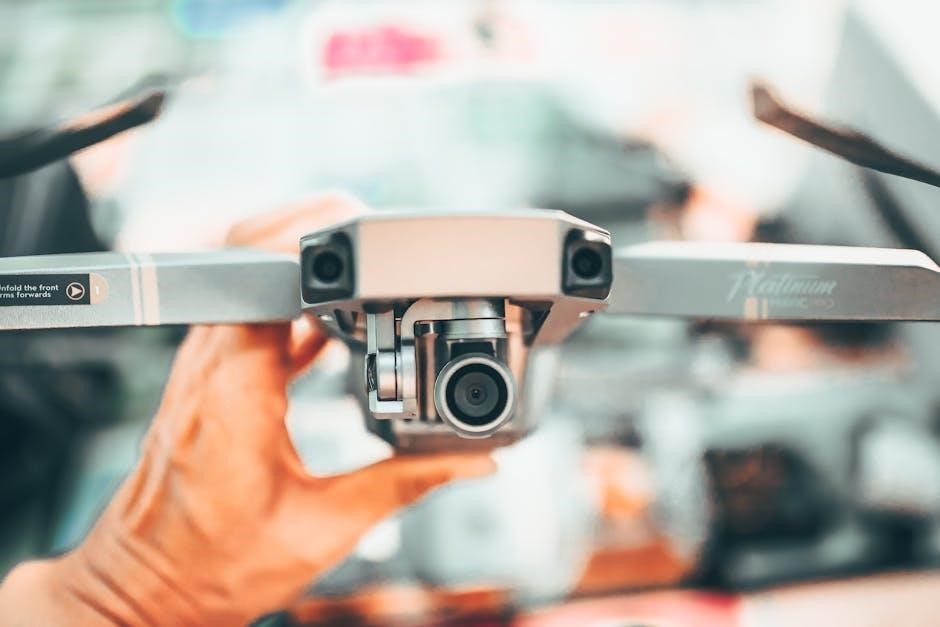
Key components include the battery compartment, power button, and landing gear․ The remote controller boasts function buttons, control sticks, and a phone holder for utilizing the RC FPV app․ Familiarize yourself with each part before your first flight to ensure proper assembly and operation․ Inspect all items for damage before use․
Charging the Drone Battery
Proper battery charging is crucial for optimal flight performance and longevity․ Use only the provided USB charging cable to connect the battery to a 5V/1A power source․ Charging typically takes between 60-120 minutes, indicated by the LED changing color․
Safety Precautions: Never leave the battery unattended during charging․ Do not overcharge the battery, as this can cause damage or pose a fire hazard․ Avoid charging in extreme temperatures․ Disconnect the battery immediately after it’s fully charged․ Always inspect the battery for any signs of damage before each use․
Battery Specifications
The E88 drone utilizes a 3․7V 1800mAh Li-Po battery, providing approximately 10 minutes of flight time per full charge․ This battery is specifically designed for the drone’s power requirements, ensuring stable and efficient operation․ The battery’s capacity allows for extended aerial exploration and recording capabilities․
Important Note: Using a different battery type or capacity may damage the drone or compromise its performance․ Always adhere to the specified voltage and mAh rating․ Regularly check the battery’s condition for any swelling or damage, and replace it if necessary to maintain safe and reliable flight operations․
Charging Procedure & Safety Precautions
To charge the E88 drone battery, connect it to the provided USB charging cable and a 5V/1A power source․ The indicator light will illuminate red during charging and turn off when fully charged – typically within 1․5 to 2 hours․ Always supervise the charging process․
Safety is paramount: Never leave the battery unattended while charging․ Do not overcharge the battery, as this can lead to damage or fire․ Avoid charging near flammable materials․ If the battery becomes hot or swollen during charging, disconnect it immediately and discontinue use․ Only use the specified charger to prevent damage․
Remote Controller Overview
The E88 drone’s remote controller provides intuitive control over flight operations․ It features dual control sticks for throttle and yaw, along with buttons for takeoff, landing, speed adjustment, and photo/video capture․ The controller also houses a smartphone holder for FPV viewing via the RC FPV app․
Understanding the layout is crucial for safe and effective flight․ Familiarize yourself with the button placement and functions before your first flight․ The controller requires charging before use, ensuring sufficient power for extended flight sessions․ Proper handling and care will maximize its lifespan and performance․
Button Functions & Controls
The remote controller’s buttons offer precise drone management․ The power button initiates the controller, while the one-key takeoff/landing simplifies operation․ Control sticks manage altitude and direction; adjust speed settings for varied flight experiences․ Dedicated photo and video buttons capture aerial footage directly․
Trimmer adjustments correct drifting during hover, ensuring stable flight․ The return-to-home function automatically guides the drone back to its starting point․ Understanding each button’s function is vital for safe and controlled flights․ Refer to the app for advanced settings and customization options․
Controller Charging & Powering On
To charge the remote controller, utilize a standard USB cable connected to a power source․ A full charge typically takes approximately two to three hours, indicated by a change in the charging light’s status․ Ensure the controller is fully charged before each flight for uninterrupted operation․
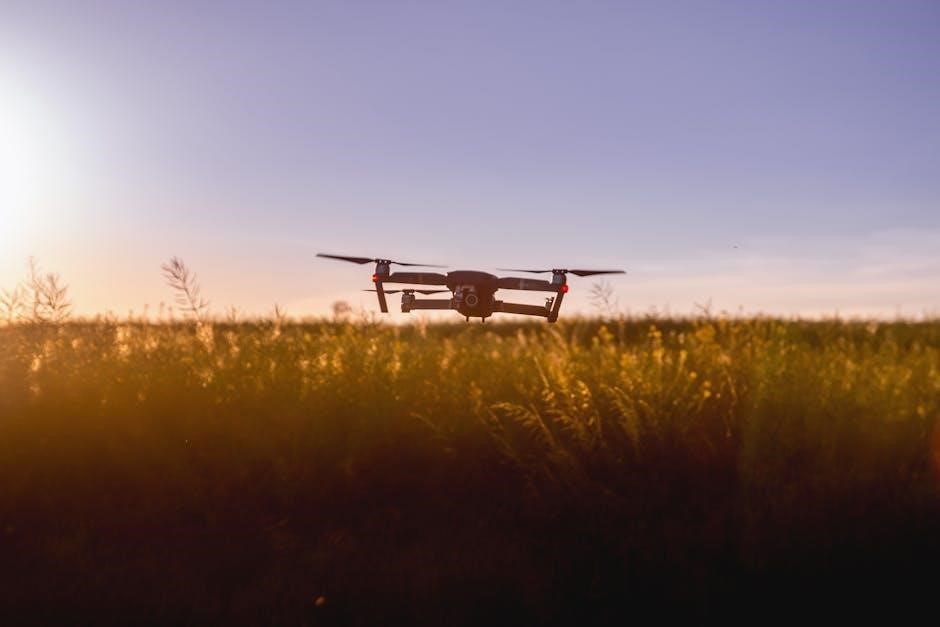
Powering on is simple: press and hold the power button until the indicator lights illuminate․ Confirm the controller successfully connects to the drone before takeoff․ Low battery warnings will alert you when recharging is needed․ Always disconnect the USB cable once charging is complete to preserve battery health․
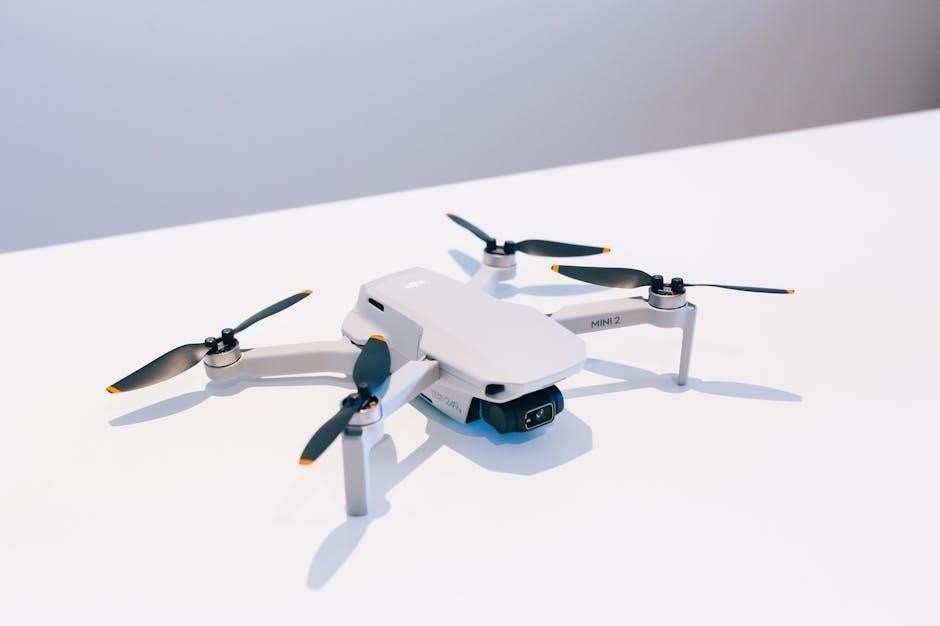
Connecting the Drone to the Remote Controller
Establishing a connection is crucial for safe and controlled flight․ First, ensure both the drone and remote controller are powered on․ The drone should be placed on a level surface․ Typically, the controller automatically searches for and connects to the drone’s signal․
If automatic connection fails, consult the app for pairing instructions․ A successful connection is usually indicated by solid indicator lights on both devices․ Interference can disrupt the signal; move to an open area if connection issues persist․ Always verify a stable link before initiating flight operations․
Mobile App Installation & Setup
Unlock the full potential of your E88 drone with the dedicated RC FPV mobile application․ Begin by searching for “RC FPV” on either the App Store (iOS) or Google Play Store (Android) and downloading the application to your smartphone or tablet․
Once installed, launch the app and carefully review the requested permissions․ Grant necessary access for optimal functionality, including camera and location services․ You may be prompted to create an account or log in․ Follow the on-screen instructions to complete the setup process and prepare for flight․
Downloading the RC FPV App
To begin utilizing the advanced features of your E88 drone, downloading the RC FPV app is essential․ This application serves as the primary interface for controlling the drone, accessing real-time video feed, and adjusting various settings․ Locate the app by searching “RC FPV” within your device’s application marketplace – either the Apple App Store for iOS devices or the Google Play Store for Android․
Ensure a stable internet connection during the download process․ The app size is relatively small, so the download should be quick․ Once downloaded, tap the “Install” button and allow the app to install on your device․ After installation, locate the RC FPV icon on your home screen․
App Permissions & Account Creation
Upon launching the RC FPV app for the first time, you’ll be prompted to grant several permissions․ These permissions are crucial for the app to function correctly, including access to your camera (for live video feed), storage (for saving photos and videos), and location (for flight safety features)․ Carefully review each permission request and grant access as needed․
Account creation may be required to unlock certain features or save your flight data․ Follow the on-screen instructions to create an account using a valid email address and a secure password․ Some versions may allow guest access, but creating an account is recommended for a personalized experience․
Pre-Flight Checklist & Safety Procedures
Before each flight, a thorough pre-flight check is essential for safe operation․ Ensure the drone battery is fully charged and securely installed․ Inspect the propellers for any cracks or damage, and verify they are correctly attached․ Confirm the surrounding area is clear of obstacles, people, and animals․
Always fly within visual line of sight and adhere to local drone regulations․ Avoid flying near airports, restricted airspace, or crowded areas․ Be mindful of weather conditions – do not fly in rain, strong winds, or low visibility․ Prioritize safety and responsible drone operation at all times․
Drone Startup Procedure
To initiate flight, place the E88 drone on a level surface․ First, briefly press the power button located on the drone itself to activate its systems․ Next, power on the remote controller using its dedicated power button․ Allow both devices a moment to initialize and establish a connection․
Observe the indicator lights on the drone; they will signal the connection status․ A solid light typically indicates a successful link․ Ensure the lights stop flashing before attempting takeoff․ Following these steps guarantees a stable and controlled start to your flight experience with the E88 drone․
Powering On the Drone
Initiating the E88 drone requires a simple, yet crucial, procedure․ Locate the power button on the drone’s body – typically a small, recessed button․ A short press of this button activates the internal systems․ Avoid prolonged pressing during initial power-up; a brief touch is sufficient․
Upon activation, the drone’s indicator lights will begin to flash, signaling the startup sequence․ It’s essential to allow the drone to fully initialize before attempting any further operations․ Ensure a stable, level surface for powering on to prevent unexpected movements․ This careful start ensures optimal performance and safety․
Indicator Light Status & Meaning
Understanding the E88’s indicator lights is vital for safe and informed operation․ A rapidly flashing light generally indicates the drone is initializing or searching for a GPS signal․ A solid light signifies a successful connection with the remote controller and readiness for flight․
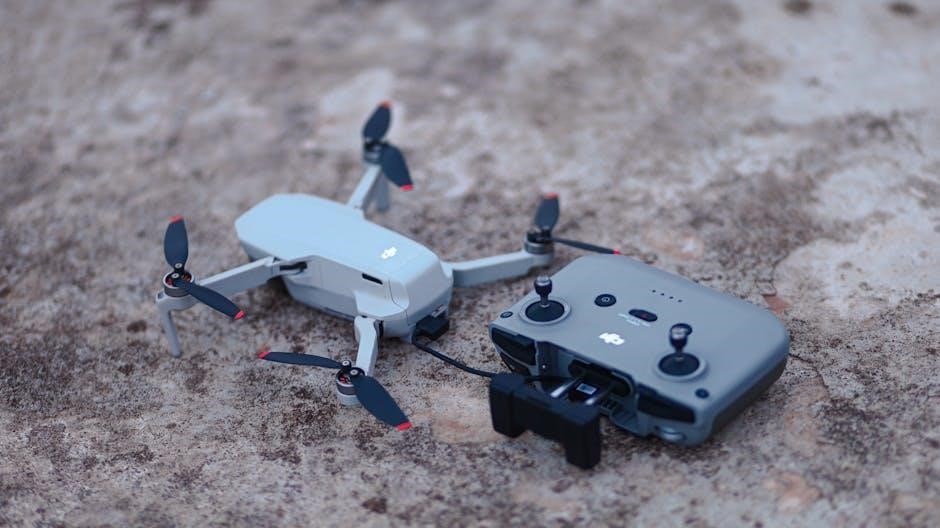
Slowly blinking lights may suggest low battery levels, requiring immediate charging․ If the lights flash erratically or display unusual patterns, consult the troubleshooting section of this manual․ Pay close attention to light behavior before, during, and after flight to proactively address potential issues and ensure a smooth experience․
Basic Flight Controls & Operation
Mastering the E88’s controls is key to enjoyable flight․ The left joystick controls altitude and rotation, while the right joystick manages forward/backward and left/right movement․ Gentle movements are recommended for smooth operation, especially for beginners․
Practice hovering in an open area before attempting complex maneuvers․ Utilize the one-key takeoff and landing features for simplified operation․ Remember to maintain visual line of sight with the drone at all times․ Familiarize yourself with the return-to-home function for added safety and convenience during flight․
Understanding Flight Modes
The E88 drone typically features several flight modes to cater to different skill levels and flying environments․ GPS mode utilizes satellite positioning for stable hovering and precise return-to-home functionality․ Headless mode simplifies control by disregarding the drone’s orientation, making it easier for beginners․
Altitude hold mode maintains a consistent altitude, reducing the need for constant throttle adjustments․ Sport mode increases speed and responsiveness for more dynamic flight experiences․ Understanding each mode’s characteristics is crucial for safe and controlled operation, adapting to various conditions․
Camera Functionality & Settings
The E88 drone’s integrated camera allows for both photo and video recording, offering aerial perspectives․ Access camera controls through the RC FPV app, adjusting resolution and video quality settings to suit your needs․ Explore options for capturing stunning aerial footage, optimizing for clarity and detail․
Adjusting the camera angle is typically done via the remote controller or within the app, providing flexible framing․ Familiarize yourself with these settings to maximize image quality and creative control during flight․ Remember to check storage capacity before extended recording sessions․
Photo & Video Recording
Initiate photo and video capture directly from the RC FPV app interface․ The app provides clear indicators for recording status and remaining storage space․ Before each flight, ensure sufficient storage is available on your mobile device or inserted microSD card (if applicable)․ Experiment with different resolutions to balance file size and image quality․
To start recording video, tap the designated video icon within the app․ Similarly, a single tap on the photo icon will capture a still image․ Review your footage immediately after landing to confirm quality and framing․ Regularly back up your media to prevent data loss․
Adjusting Camera Angle
The E88 drone’s camera angle is remotely adjustable via the control sticks on your remote controller or through the RC FPV app․ Utilize the dedicated control on the transmitter to tilt the camera up or down, achieving diverse perspectives during flight․ Within the app, a slider provides precise angle control for refined adjustments․
Experiment with camera angles to capture unique aerial footage․ Lower angles emphasize speed and movement, while higher angles offer broader landscape views․ Remember to smoothly adjust the angle to avoid jarring transitions in your videos․ Regularly check the live feed to confirm your desired framing․
Troubleshooting Common Issues
Experiencing difficulties? Common problems include connection issues and drifting․ If the drone fails to connect, ensure both drone and controller are fully charged and properly paired․ Restart both devices and re-initiate the connection sequence․ For drifting during hover, calibrate the drone on a level surface using the app’s calibration feature․
Damaged blades can also cause instability; inspect and replace them if necessary․ If the drone still wanders, check for wind interference or potential damage to internal components․ Refer to the FAQ section or contact support for more complex issues․ Always prioritize safety during troubleshooting․
Drone Not Connecting to Controller
Connection problems? First, verify both the drone and controller have sufficient battery charge․ Ensure the drone is placed on a level surface during the pairing process․ Confirm the controller is switched on and attempting to pair with the drone․ Restart both devices – a simple reboot often resolves connectivity glitches․
Check for interference from other wireless signals․ If issues persist, re-initiate the pairing sequence within the RC FPV app․ Ensure the app has the necessary permissions․ A factory reset of the drone (consult the full manual) might be needed as a last resort, but back up any settings first․
Drone Drifting During Hover
Experiencing drift? This often indicates a calibration issue․ Utilize the RC FPV app to perform a gyroscope calibration․ Ensure the drone is on a perfectly level surface during calibration – this is crucial for accurate sensor readings․ Check for damaged propellers; even minor damage can cause instability and drift․
Trim adjustments on the remote controller can counteract minor drift․ Carefully adjust the trim controls until the drone maintains a stable hover․ If drift persists after calibration and trim adjustments, a damaged main blade could be the culprit, requiring replacement․ Consider a firmware update for potential fixes․
Maintaining Your E88 Drone
Regular maintenance ensures optimal performance and longevity․ After each flight, inspect propellers for cracks or damage, replacing them as needed․ Clean the drone’s body with a soft, dry cloth to remove dirt and debris․ Periodically check the battery connections for corrosion and ensure they are secure․
Storage is key; store the drone in a cool, dry place away from direct sunlight․ Avoid extreme temperatures․ Regularly check for loose screws and tighten them․ Performing firmware updates, when available, can improve stability and add features․ Proper care extends the life of your E88 drone!
Replacing Parts & Accessories
Damaged parts, like propellers and blades, significantly impact flight performance and safety; replacements are readily available online․ When replacing propellers, ensure correct orientation – marked sides must align properly․ A damaged main blade requires immediate attention and replacement for stable flight․
Additional accessories, such as extra batteries, enhance flight time and convenience․ USB cables can be replaced if damaged; Always use compatible parts specifically designed for the E88 drone model․ Prioritize genuine or certified replacements to maintain quality and avoid compatibility issues․ Careful replacement ensures continued safe operation․
Firmware Updates & How to Install
Regular firmware updates are crucial for optimizing drone performance, enhancing stability, and addressing potential bugs․ Check the RC FPV app for available updates; a notification usually appears upon launch․ Before updating, ensure the drone has sufficient battery power – ideally, above 50% – and a stable connection to your mobile device․
The update process typically involves downloading the firmware package through the app and initiating the installation․ Do not interrupt the update process, as this could damage the drone’s software․ Follow the on-screen instructions carefully․ A successful update improves overall flight experience․
Safety Guidelines & Regulations
Prioritize safety when operating your E88 drone․ Always fly in open areas, away from people, buildings, and obstacles․ Adhere to local drone regulations and airspace restrictions; familiarize yourself with rules set by aviation authorities․ Never fly near airports or restricted zones․
Maintain visual line of sight with your drone at all times․ Avoid flying in inclement weather conditions like rain, strong winds, or fog․ Regularly inspect the drone for any damage before each flight․ Responsible operation ensures a safe and enjoyable flying experience for everyone․
Frequently Asked Questions (FAQ)
Q: My drone won’t connect to the controller? Ensure both are powered on and fully charged․ Try re-pairing them following the connection procedure․ Q: Why is my drone drifting? Calibrate the drone on a level surface․ Check for damaged propellers or blades․ Adjust the trimmer on the transmitter․
Q: How do I update the firmware? Check the RC FPV app for available updates and follow the on-screen instructions․ Q: What if a blade is damaged? Replace the damaged blade with a new one․ Q: Where can I find replacement parts? Contact customer support or authorized retailers․
Technical Specifications
Drone Type: Quadcopter․ Camera: Integrated camera for photo and video recording․ Flight Time: Approximately 10 minutes per charge․ Control Distance: Varies based on environment, typically up to a considerable range․ Battery: Lithium-ion battery (specifications detailed in the charging section)․
Charging Time: Approximately 1-2 hours․ Dimensions: Compact and portable design․ Material: Durable plastic construction․ Frequency: 2․4GHz remote control frequency․ Features: Includes various flight modes and adjustable camera angle for versatile operation․
Warranty Information
Limited Warranty: Your E88 drone is covered by a manufacturer’s limited warranty against defects in materials and workmanship for a period of one year from the date of purchase․ This warranty does not cover damage resulting from accidents, misuse, or modifications․
Warranty Claims: To initiate a warranty claim, please contact our customer support team with proof of purchase and a detailed description of the issue․ We will assess the claim and, if approved, provide repair or replacement options․ Shipping costs for warranty returns are the responsibility of the customer․
Contact Information & Support
Customer Support: For any questions, concerns, or technical assistance regarding your E88 drone, our dedicated support team is here to help․ You can reach us via email at support@e88drone․com or through our online help center at www․e88drone․com/support․
Online Resources: Explore our website for frequently asked questions, troubleshooting guides, and downloadable resources․ We also maintain an active community forum where users can share tips and experiences․ For urgent issues, please allow 24-48 hours for a response․ We are committed to providing excellent customer service!
Leave a Reply